Why Shorter Winter Days Can Affect Energy and Sleep Patterns

November 26, 2026

Winter changes more than the temperature.


Shorter days mean less daylight, more time indoors, and changes to daily routines that can affect sleep, energy, activity levels, and mood. Some people notice that they feel more tired in the morning, sluggish in the afternoon, or less motivated to stay active once daylight hours shrink.


Those changes are common enough to deserve attention, especially when they begin affecting work, exercise, concentration, or overall well-being.


Light Helps Regulate the Body Clock

The body uses light as one of the signals that helps regulate its internal sleep-wake rhythm.


When mornings are darker and evenings arrive earlier, that rhythm can feel disrupted. Some people find it harder to wake up, while others become sleepy earlier in the evening or feel less alert during the day.


Getting exposure to natural morning light when possible can help reinforce a more consistent daily schedule.


Simple habits such as opening blinds early, spending some time outdoors, or taking a morning walk can support a stronger distinction between daytime and nighttime.

A person in a blue sweater holds a mug by a rain-streaked window, gazing outside.

Winter Routines Can Become Less Active

Shorter days often lead to less movement.


People may spend more time indoors, skip evening walks, exercise less often, or sit for longer periods during the colder months. That change can affect both energy and sleep quality.


Regular movement does not have to mean an intense workout.


Walking, stretching, mobility work, or other forms of moderate activity can help keep the body engaged during the day and may make it easier to settle into a regular sleep routine at night.


For people dealing with back pain, stiffness, or joint discomfort, the type and amount of activity may need to be adjusted carefully.


Poor Sleep Can Make Fatigue Feel Worse

A person can spend eight hours in bed and still wake up tired if the sleep itself is frequently interrupted or poorly timed.


Stress, discomfort, inconsistent bedtimes, screen use, late meals, and changes in routine can all contribute to less restorative sleep.


Winter can amplify those habits because people often spend more time indoors and may have less separation between work, relaxation, and bedtime.


If fatigue continues despite adequate time in bed, it may be worth looking at sleep quality rather than simply trying to sleep longer.

A family shares a meal at a dining table as one person serves food in a bright room.

Nutrition and Hydration Still Matter

Winter fatigue is not always about daylight alone.


Meal timing, hydration, and food choices can also influence how steady energy feels throughout the day.


People often drink less water when the weather is cold because they do not feel as thirsty. Holiday eating patterns, heavier meals, skipped meals, or inconsistent schedules can also affect energy and digestion.


A more regular routine can make it easier to notice which habits seem to help and which ones leave you feeling sluggish.


Stress Can Disrupt Both Sleep and Energy

Winter and the holiday season can bring changes in workload, family responsibilities, finances, travel, and social obligations.


That stress can make it harder to relax at night and harder to feel rested during the day.


Physical tension may also show up at the same time, including tight shoulders, headaches, jaw tension, or low back discomfort.


At Eyrich Natural Health and Healing, these overlapping concerns can be considered together rather than treated as completely separate problems.
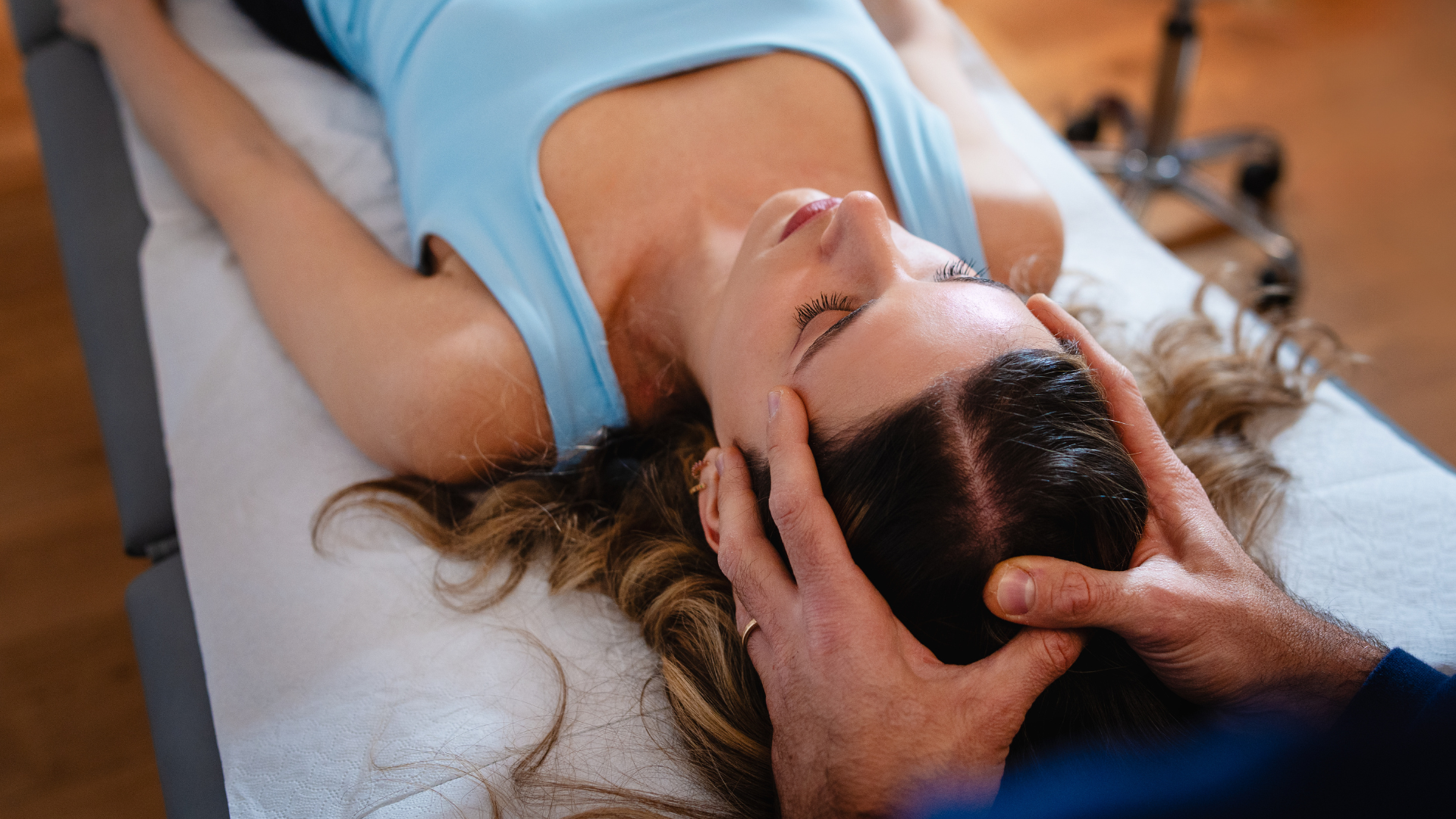
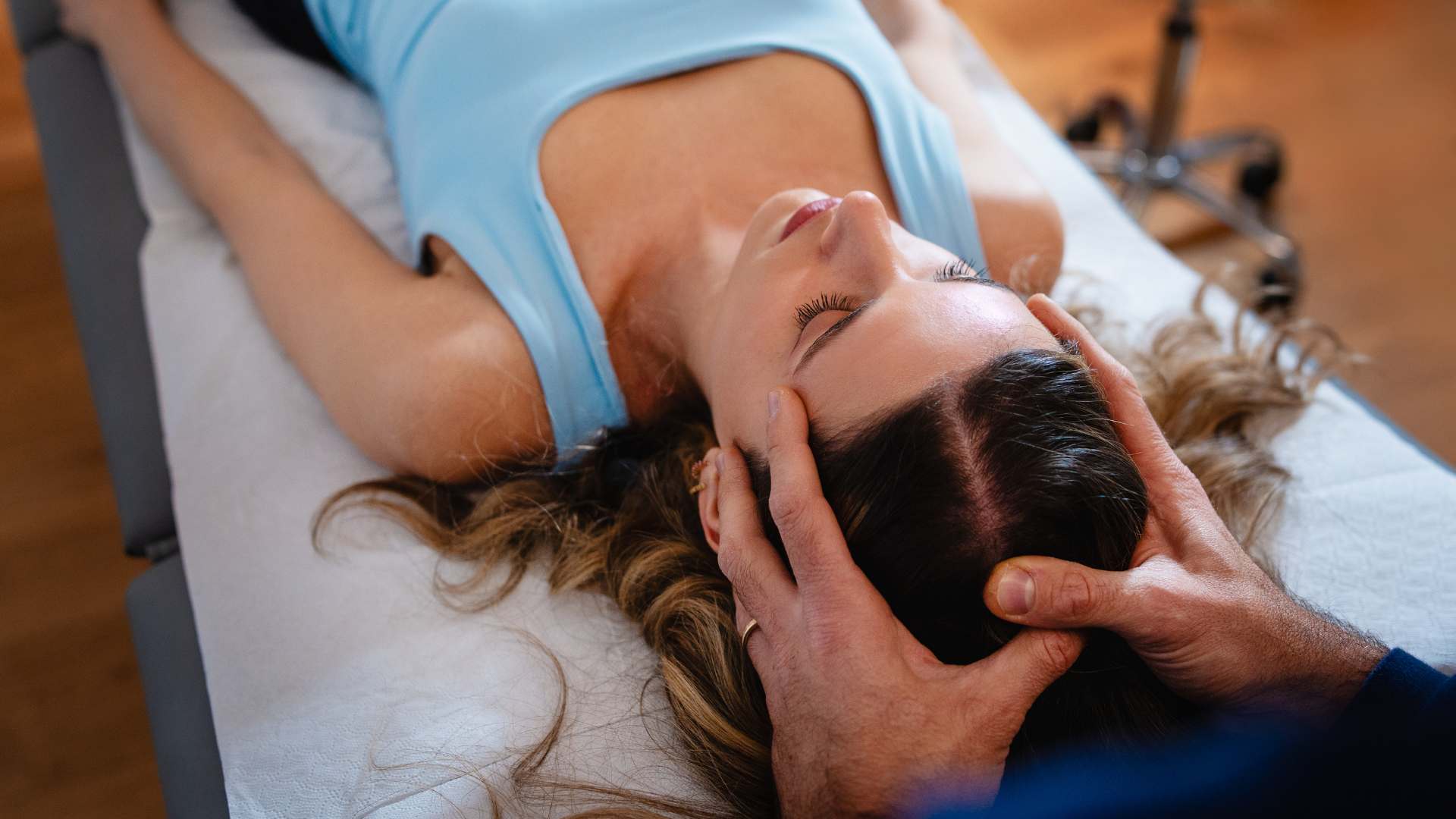
A person in a blue top lies on a treatment table while a practitioner gently holds their head during a massage.

Integrated Care Can Look at the Bigger Pattern

When fatigue, poor sleep, muscle tension, and stress occur together, one approach may not address every contributing factor.


Depending on the individual, care may include chiropractic treatment for mechanical issues, acupuncture, massage, nutrition guidance, craniosacral therapy, or other supportive strategies.


The purpose is not to use every therapy at once. It is to identify which factors appear most relevant and build a plan around the person’s actual symptoms and goals.


Persistent or severe fatigue can also have medical causes that require appropriate evaluation, so ongoing symptoms should not simply be dismissed as “winter tiredness.”


Build a More Consistent Winter Routine

Shorter winter days can change the way the body feels, but small routines can help create more stability.


Consistent sleep and wake times, morning light exposure, regular movement, adequate hydration, and attention to stress can all support better daily rhythm.


Eyrich Natural Health and Healing brings more than 46 years of clinical experience to an integrated approach that can include chiropractic, acupuncture, naturopathic medicine, nutrition, massage, craniosacral therapy, spinal decompression, and other supportive services.


If winter fatigue and sleep changes are becoming persistent, looking at the full pattern can be more useful than treating tiredness as a single isolated symptom.


November 19, 2026
Health concerns do not always arrive one at a time. Someone may be dealing with neck tension, poor sleep, low energy, digestive discomfort, headaches, and stress all at once. Treating each symptom as an isolated problem can sometimes miss the bigger picture, especially when several concerns may be influenced by the same habits, physical patterns, or underlying stressors. An integrated approach looks for connections and considers how different therapies may complement one another within a coordinated plan. One Symptom Can Have More Than One Contributor A recurring headache, for example, may be influenced by neck tension, posture, stress, sleep quality, hydration, or other factors. Similarly, fatigue may be connected to poor sleep, nutrition, stress, inactivity, or an issue that deserves further medical evaluation. The important point is that symptoms are not always simple. At Eyrich Natural Health and Healing, the goal is to look beyond the most obvious complaint and understand the broader pattern before deciding which therapies may be appropriate.
November 12, 2026
In modern times, most of us are under a lot of stress and being very busy. This puts quite a demand on our bodies to function properly and one of the most common problems today is hormonal imbalance. The hormones in your body are chemical messengers. They send signals to your tissues, glands, organs, and your brain. It is imperative to have proper hormonal levels to be healthy and strong. One of the best tests to uncover hormonal imbalances is a saliva hormone test . You simply spit into a vial and the vial is analyzed for all the different hormones. The advantage with using saliva is it only gives active hormone levels , which is what the doctor really needs to know. Unfortunately, most hormone testing done by medical practitioners is done by blood. Blood hormone testing is not accurate because it gives overall hormone levels not active hormone levels. For example, if we're measuring your estrogen level, blood will give a number. However, if some of that estrogen is bound to a protein, it is called inactive. Inactive hormones don't work. So the doctor cannot know on an estrogen lab value how much of that is active and how much of it is inactive. As I've said previously, only active hormone levels count. That is why saliva is a superior way to check hormones as it only gives active hormone levels. That's what we need to know. So when a patient comes to me from a medical practitioner, I have to redo the labs because I do not trust that the blood testing was accurate. I've gotten absolutely phenomenal results using saliva as a primary diagnostic tool for hormone imbalance testing.
November 3, 2026
The modern times in which we live bring a lot of stress and demands on our health. There is a trend of more heart attacks, strokes, diabetes, cancer, autoimmune disorders, and just general poor health due to these stressful times. I see a very important factor that contributes to this rising number of illnesses. And that is the topic of my article, Optimizing Physiology . Physiology in medicine means the way your body functions. We can look at this as how all the organs and glands function and how each system in your body functions, such as your cardiovascular system, your immune system, hormone or endocrine system, your nervous system, etc. To be in very good health all of these systems in your body must be working properly and when they are you feel very good. There is an absence of disease and illness. However, what is happening in our world is that the types of tests that medical practitioners run do not really monitor how optimal each system in your body is.
October 28, 2026
In modern times many patients complain of depression. I encounter this problem daily in my holistic practice of 47 years. Usually the scenario is the patient has been medically tested with blood exams, urinalysis, that type of thing and nothing is found that would cause depression. So the next step would be to guess giving drugs that affect the brain without really knowing which one would help that problem. Usually the results are not very good taking antidepressant medications.
October 22, 2026
So many of us live our lives not fully experiencing good health. Often being checked by medical doctors, doing standard blood exams and urine analysis reveals nothing important. You're told everything is fine. But, you think I have many symptoms of discomfort, such as fatigue, weight gain, poor digestion, pain in my back, headaches, stiffness, sleep problems, anxiety, high blood pressure, depression, hormone imbalances, etc. Your symptoms are accurate, but the testing methods are unable to register a problem until they become very severe.
October 16, 2026
When several symptoms overlap , it can be tempting to search for one treatment that explains or fixes everything. In reality, many people use more than one type of care at the same time. Massage therapy and craniosacral therapy are examples of complementary approaches that may be incorporated alongside chiropractic care, acupuncture, exercise, nutrition, conventional medical treatment, or other strategies depending on the individual. The key word is complementary . These therapies should be viewed as part of a broader plan rather than automatic replacements for medical evaluation or treatment. Massage Therapy Focuses on Soft Tissue Massage therapy works directly with muscles and other soft tissues. People commonly seek massage for tension, stiffness, soreness, relaxation, and general wellness. Research on massage is ongoing, but the National Center for Complementary and Integrative Health notes that massage may provide short-term benefit for some types of low-back, neck, or shoulder pain . It also emphasizes that the strength of the evidence varies by condition. That makes massage especially relevant when muscular tension is only one part of a larger symptom pattern. For example, someone receiving chiropractic care for mechanical back or neck discomfort may also use massage to address tight or tender muscles.