How Massage and Craniosacral Therapy Can Complement Other Forms of Care
When several symptoms overlap, it can be tempting to search for one treatment that explains or fixes everything.
In reality, many people use more than one type of care at the same time.
Massage therapy and craniosacral therapy are examples of complementary approaches that may be incorporated alongside chiropractic care, acupuncture, exercise, nutrition, conventional medical treatment, or other strategies depending on the individual.
The key word is complementary. These therapies should be viewed as part of a broader plan rather than automatic replacements for medical evaluation or treatment.
Massage Therapy Focuses on Soft Tissue
Massage therapy works directly with muscles and other soft tissues.
People commonly seek massage for tension, stiffness, soreness, relaxation, and general wellness.
Research on massage is ongoing, but the National Center for Complementary and Integrative Health notes that massage may provide short-term benefit for some types of low-back, neck, or shoulder pain. It also emphasizes that the strength of the evidence varies by condition.
That makes massage especially relevant when muscular tension is only one part of a larger symptom pattern.
For example, someone receiving chiropractic care for mechanical back or neck discomfort may also use massage to address tight or tender muscles.

Craniosacral Therapy Uses a Different Approach
Craniosacral therapy is a gentle hands-on practice often included within complementary or holistic care settings.
Craniosacral therapy is a gentle, hands-on complementary practice that uses light touch around the head, spine, and sacrum. Practitioners aim to promote relaxation and reduce physical tension. Many patients report relaxation and relief from the practice.
At Eyrich Natural Health and Healing, it can be considered as one possible complementary modality within a broader, individualized plan.
Different Therapies Can Address Different Goals
One reason integrative care appeals to some patients is that different therapies may be used for different purposes.
A person dealing with recurring neck discomfort, for example, may need medical evaluation if there are concerning symptoms. They might also work on posture, movement, strengthening, or ergonomics.
Chiropractic care may be used for certain musculoskeletal concerns.
Massage may be included to work with soft-tissue tension.
Acupuncture may be considered for selected symptoms.
Nutrition and lifestyle habits may also matter.
The goal is not to pile treatments together randomly. It is to understand what each approach is intended to contribute.

Relaxation Can Be a Legitimate Goal
Not every complementary therapy has to be framed as a treatment for a disease.
Stress, muscle tension, poor sleep, and feeling physically “wound up” often overlap.
A session that helps someone relax, slow down, and become more aware of tension patterns can still have value as part of a wellness routine.
That is different from claiming that a therapy cures the underlying cause of a symptom.
Keeping that distinction clear allows complementary care to remain realistic and responsible.
Safety and Medical Evaluation Still Matter
Massage therapy generally has a low risk of harm when performed appropriately, but certain health conditions may require precautions. NCCIH recommends discussing massage with a healthcare provider when there are medical concerns that could affect safety.
The same principle applies to any complementary therapy.
New weakness, numbness, severe headaches, chest pain, unexplained weight loss, fever, significant trauma, or other concerning symptoms should not simply be managed with wellness therapies without appropriate medical evaluation.
Build the Plan Around the Person
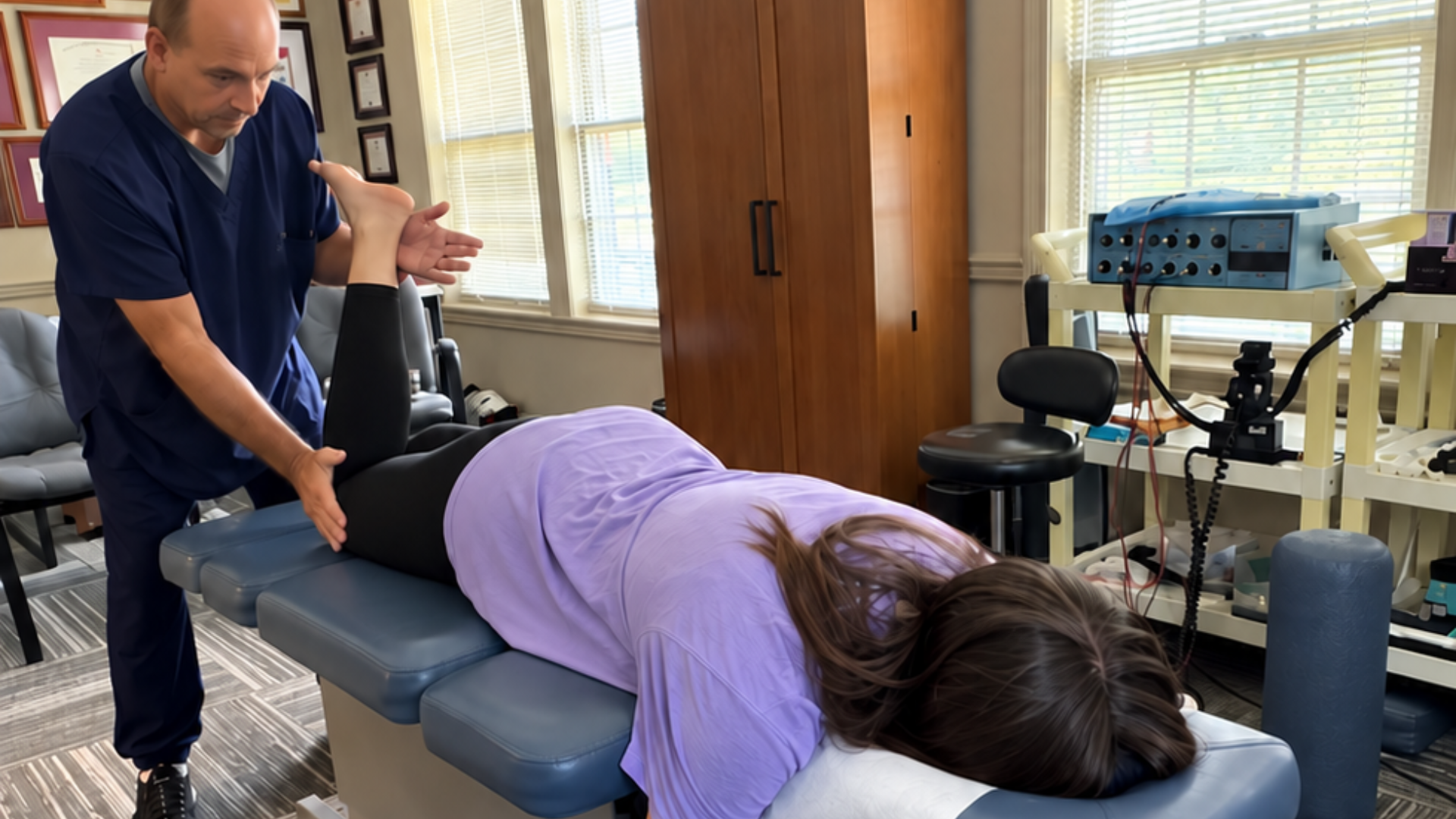
Dr. Thomas Eyrich, D.C., L.Ac., N.D., has more than 46 years of experience working within an integrated holistic model.
At Eyrich Natural Health and Healing, care may draw from chiropractic, acupuncture, massage, craniosacral therapy, nutrition, herbal support, spinal decompression, and other services depending on the person’s goals and circumstances.
The value of that approach is not that every patient receives every therapy.
It is that the plan can be built around the individual.
If you are dealing with overlapping tension, discomfort, stress, or other symptoms and want to explore how complementary approaches may fit into a broader care strategy, contact Eyrich Natural Health and Healing to discuss your options.