Optimize Your Physiology

November 3, 2026

The modern times in which we live bring a lot of stress and demands on our health. There is a trend of more heart attacks, strokes, diabetes, cancer, autoimmune disorders, and just general poor health due to these stressful times. I see a very important factor that contributes to this rising number of illnesses. And that is the topic of my article, Optimizing Physiology.


Physiology in medicine means the way your body functions. We can look at this as how all the organs and glands function and how each system in your body functions, such as your cardiovascular system, your immune system, hormone or endocrine system, your nervous system, etc. To be in very good health all of these systems in your body must be working properly and when they are you feel very good. There is an absence of disease and illness. However, what is happening in our world is that the types of tests that medical practitioners run do not really monitor how optimal each system in your body is.
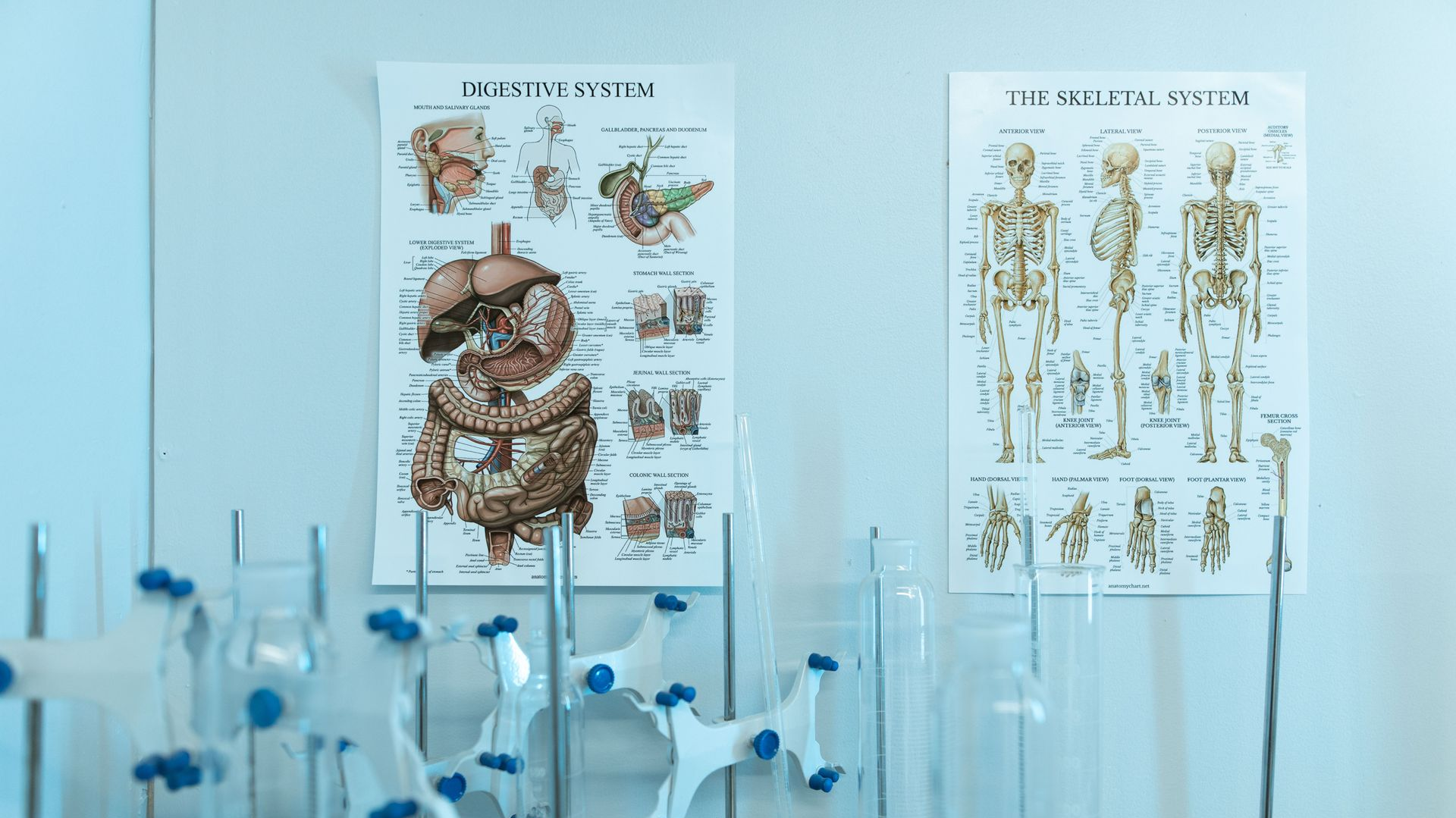
Anatomy posters on a lab wall above glass lab equipment and blue stoppers

Standard medical testing does not uncover anything serious in your physiology unless it is very extreme. In my office I work to educate my patients because so many of them don't understand this. But after I educate them, they see how relevant and important this topic is. So the biggest weakness in our current medical system is that it does not diagnose or see the decline in your physiology until it is extreme. At that point it would be called pathology, which is an extreme disease, such as autoimmune disorders, heart attacks, strokes, cancer, diabetes, and just general poor health. When these are diagnosed they've been in the body for many years, contributing to its decline, but they were unrecognized by medical testing. This is the biggest factor to be aware of in your health. Right now you do not have optimal function in many of your organs and glands. That is a fact. I have my patients fill out a symptom survey of over 150 symptoms when they come to my office and so many of my patients have dozens of symptoms. I tell them that that is a sign of organ and glandular dysfunction. But, because they've passed medical testing, it isn't being addressed. 
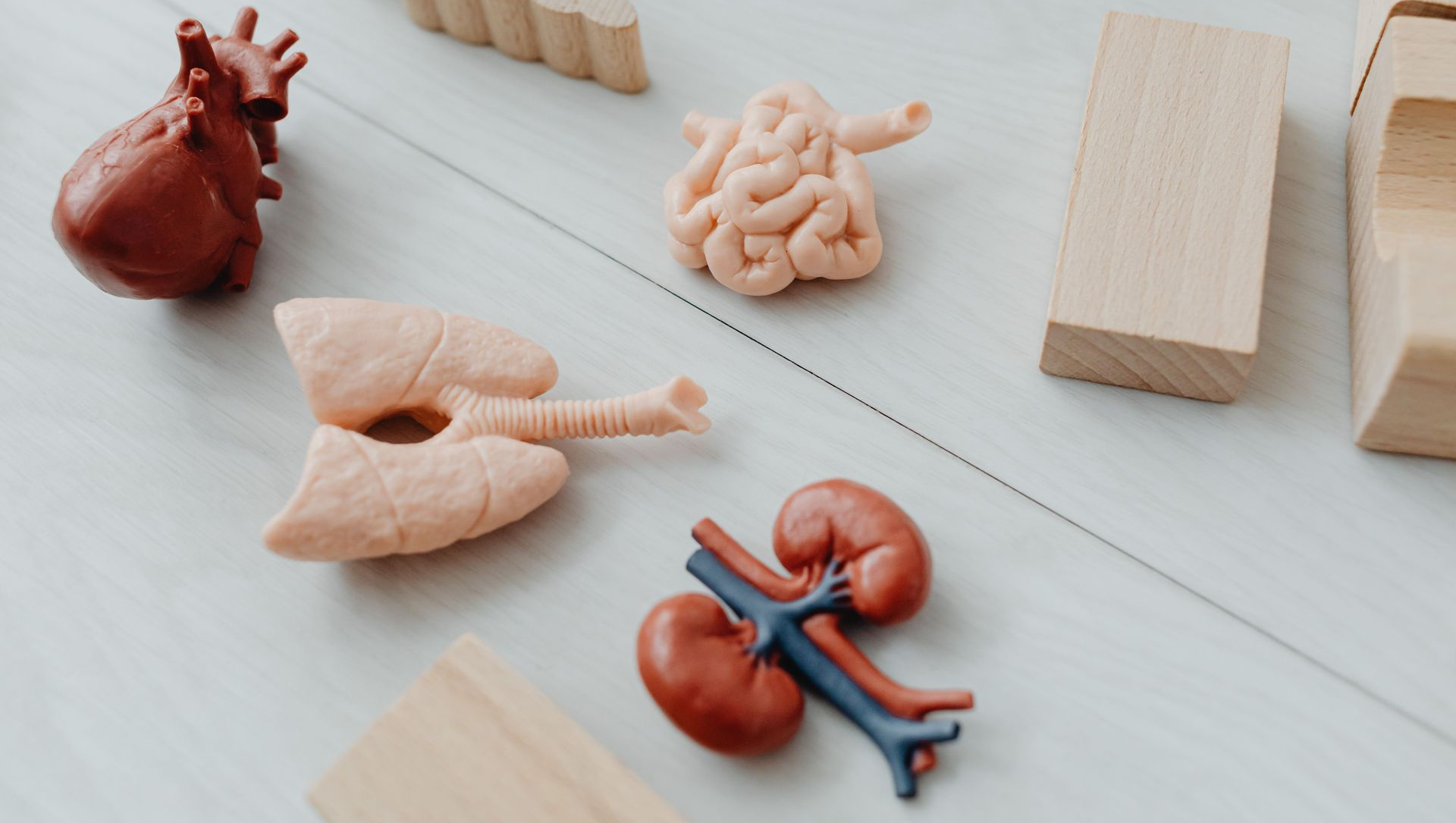
Anatomical organ models and wooden blocks on a light table, resembling a biology learning setup

In my clinic, I have other, more precise diagnostic techniques that I use to find these sub-optimal areas in your body. I utilize holistic diagnostic techniques and start my patients on a program to improve their physiology and whatever systems are most out of balance. We recommend the nutritional supplements and herbs that your body requires in order to regain health. The current overuse of drug therapy can be alleviated greatly by using a more conservative approach with far fewer side effects. It is so satisfying to help patients in a natural way without the side effects while also optimizing their physiology. Holistic doctors specialize in this type of approach. Understand what is off and weakened in your body and I will help restore your health to a level you have not known before. Now it's time to live your best life, full of energy and vitality. Avoid the current trends of continual decline until an extreme disease happens in your body. My practice has helped thousands of patients stay healthy and strong.

Two anatomical head models face each other, showing facial muscles and nerves in profile.
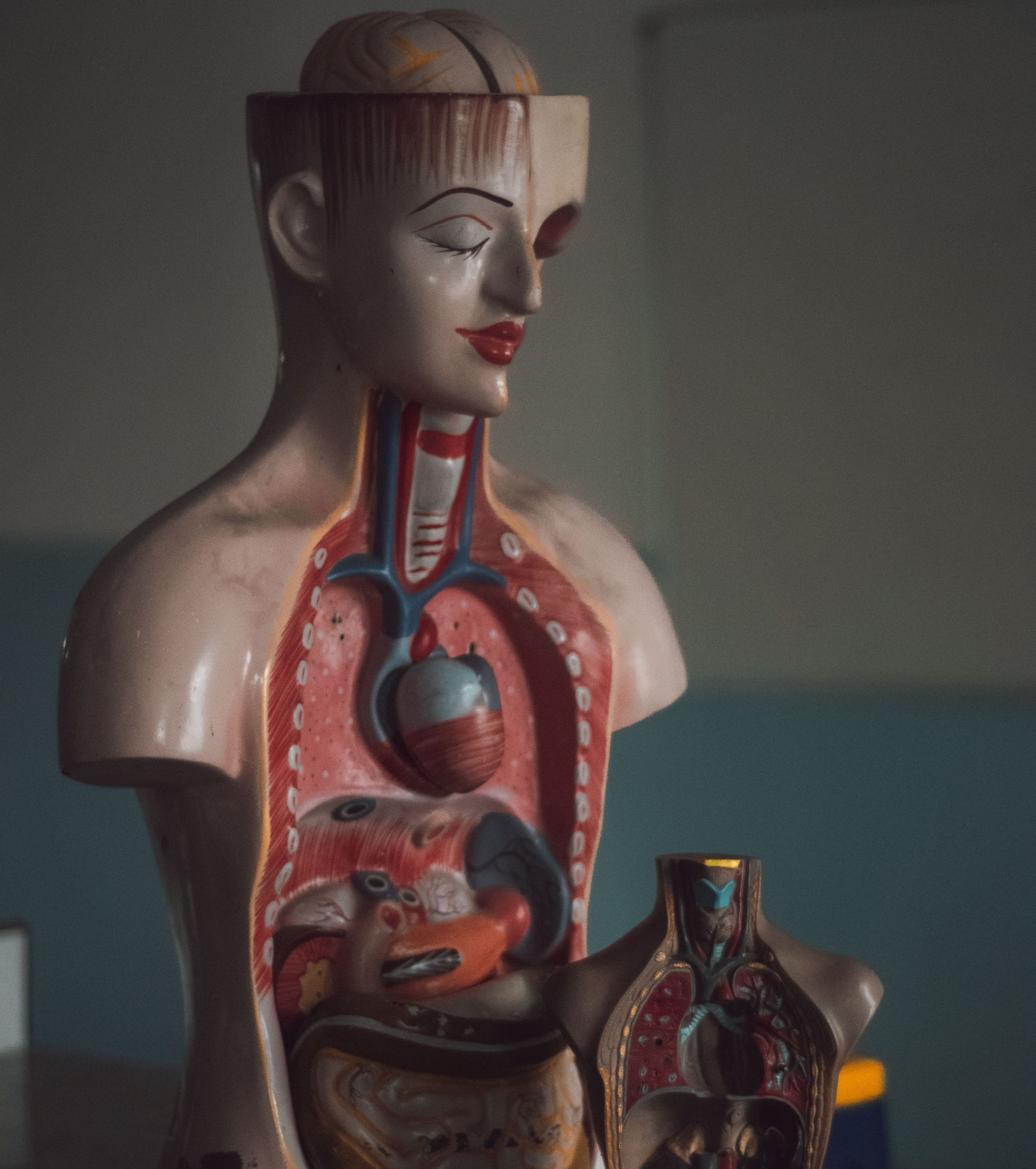
Anatomical torso model with visible organs, shown on a tabletop beside a smaller model.
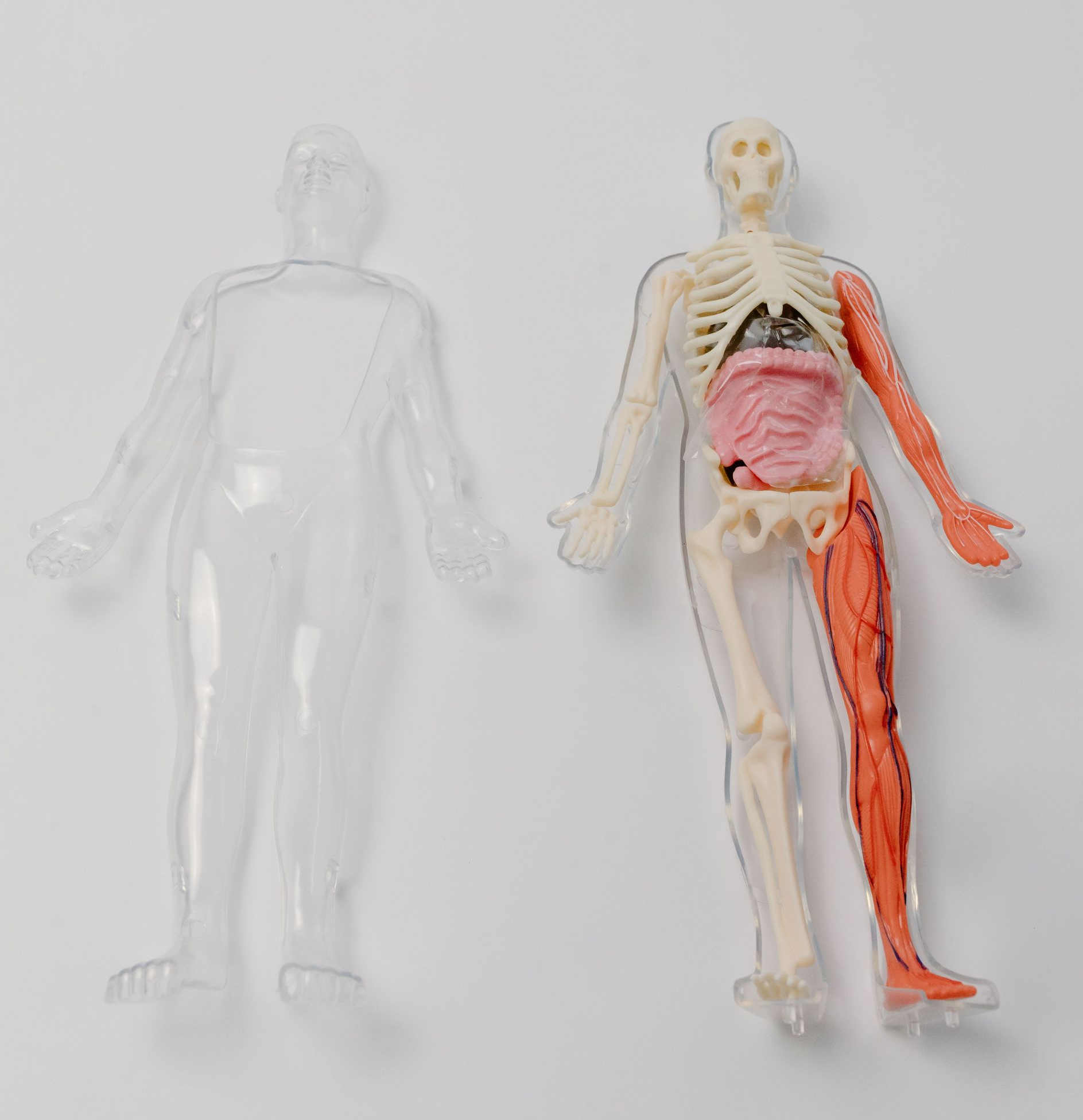
Transparent human body model showing bones and muscles, with one side highlighted in red and orange.
October 28, 2026
In modern times many patients complain of depression. I encounter this problem daily in my holistic practice of 47 years. Usually the scenario is the patient has been medically tested with blood exams, urinalysis, that type of thing and nothing is found that would cause depression. So the next step would be to guess giving drugs that affect the brain without really knowing which one would help that problem. Usually the results are not very good taking antidepressant medications.
October 22, 2026
So many of us live our lives not fully experiencing good health. Often being checked by medical doctors, doing standard blood exams and urine analysis reveals nothing important. You're told everything is fine. But, you think I have many symptoms of discomfort, such as fatigue, weight gain, poor digestion, pain in my back, headaches, stiffness, sleep problems, anxiety, high blood pressure, depression, hormone imbalances, etc. Your symptoms are accurate, but the testing methods are unable to register a problem until they become very severe.
October 16, 2026
When several symptoms overlap , it can be tempting to search for one treatment that explains or fixes everything. In reality, many people use more than one type of care at the same time. Massage therapy and craniosacral therapy are examples of complementary approaches that may be incorporated alongside chiropractic care, acupuncture, exercise, nutrition, conventional medical treatment, or other strategies depending on the individual. The key word is complementary . These therapies should be viewed as part of a broader plan rather than automatic replacements for medical evaluation or treatment. Massage Therapy Focuses on Soft Tissue Massage therapy works directly with muscles and other soft tissues. People commonly seek massage for tension, stiffness, soreness, relaxation, and general wellness. Research on massage is ongoing, but the National Center for Complementary and Integrative Health notes that massage may provide short-term benefit for some types of low-back, neck, or shoulder pain . It also emphasizes that the strength of the evidence varies by condition. That makes massage especially relevant when muscular tension is only one part of a larger symptom pattern. For example, someone receiving chiropractic care for mechanical back or neck discomfort may also use massage to address tight or tender muscles.
October 8, 2026
Getting eight hours of sleep should leave you feeling rested, but that does not always happen. Some people wake up feeling drained, foggy, or physically heavy even after spending enough time in bed. When that pattern keeps repeating, the issue may be less about sleep quantity and more about sleep quality, stress, health conditions, medications, or other factors affecting the body overnight. Persistent fatigue deserves a closer look, especially when rest does not seem to help. Sleep Quality Matters as Much as Sleep Duration Spending eight hours in bed does not guarantee eight hours of restorative sleep. Frequent awakenings, snoring, breathing interruptions, restless legs, pain, or insomnia can fragment sleep even if you do not remember waking up repeatedly. Sleep apnea is one example of a condition that can interfere with restorative sleep and leave people tired during the day. Mayo Clinic notes that sleep disorders are among the possible causes of ongoing fatigue.  This is why persistent morning fatigue should not automatically be dismissed as simply “not sleeping enough.”
September 29, 2026
Stress does not always stay in the mind. For some people, prolonged stress may accompany muscle tension, headaches, poor sleep, digestive discomfort, fatigue, jaw clenching, or a general feeling of being unable to relax. Because these symptoms can overlap with many different health concerns, effective stress management often involves more than one strategy. Acupuncture is one complementary approach that some people choose to include alongside appropriate medical care, healthy routines, exercise, relaxation practices, or counseling. At Eyrich Natural Health and Healing, acupuncture can be considered as one part of a broader, individualized wellness plan. Acupuncture Takes a Whole-Person Approach Acupuncture involves inserting very fine needles at specific points on the body. It originated within traditional Chinese medicine and is now used in many countries as a complementary health practice. The National Center for Complementary and Integrative Health notes that acupuncture is most commonly used in the United States for pain-related concerns . During a visit, the practitioner may also ask about sleep, digestion, energy, pain, stress patterns, and other symptoms.  That wider conversation can be useful when several concerns seem to occur together.
September 22, 2026
Stress is often treated as something purely emotional, but the body can respond to it in physical ways. Muscle tension, digestive changes, headaches, fatigue, and sleep problems can all appear during periods of prolonged stress. The National Institute of Mental Health notes that stress and anxiety can affect both the mind and body, including tension, body pain, and loss of sleep. Ongoing anxiety can also affect digestive and other body systems. When pain, digestive discomfort, and poor sleep begin appearing together, it may be helpful to look at the broader pattern rather than treating each symptom as completely separate. Muscle Tension Can Build Gradually Stress can cause muscles to remain tighter than usual. Some people notice this first in the jaw, shoulders, neck, or lower back. Others may not realize how tense they are until discomfort has been present for several days. Cleveland Clinic lists muscle tension, jaw clenching, headaches, aches, and pains among common physical symptoms associated with stress . When muscles stay tense for long periods, normal movements and postures may begin feeling uncomfortable. That does not mean every pain problem is caused by stress. Structural, neurological, inflammatory, or other medical causes may also need to be considered.