
What is Holistic Therapy?

September 1, 2026

Holistic care is becoming a much sought after therapy for patients suffering with many different health care problems. Some of the most common problems are fatigue, weight gain, sleep disturbances, digestive complaints, diabetes, cancer, heart symptoms, all types of structural pain and many more. Holistic treatments take a different approach than western medicine finding the cause of each health concern and applying natural therapies such as chiropractic, acupuncture, herbology, nutritional supplements, diet, detoxification and many other treatments to regain balance.


The first step to recovery is often detoxifying the body of chemicals, organisms, heavy metals and food allergies. These cause chronic inflammation in the body which is at the core of many resistant diseases, seldom addressed in western treatment, and a tremendous importance in holistic. Once the toxic factors are eliminated, huge health benefits are achieved! With all of these therapies available, now is the time to reach a new level of health and live the life you deserve.


Thomas Eyrich, D.C., L. Ac., N.D.

October 16, 2026
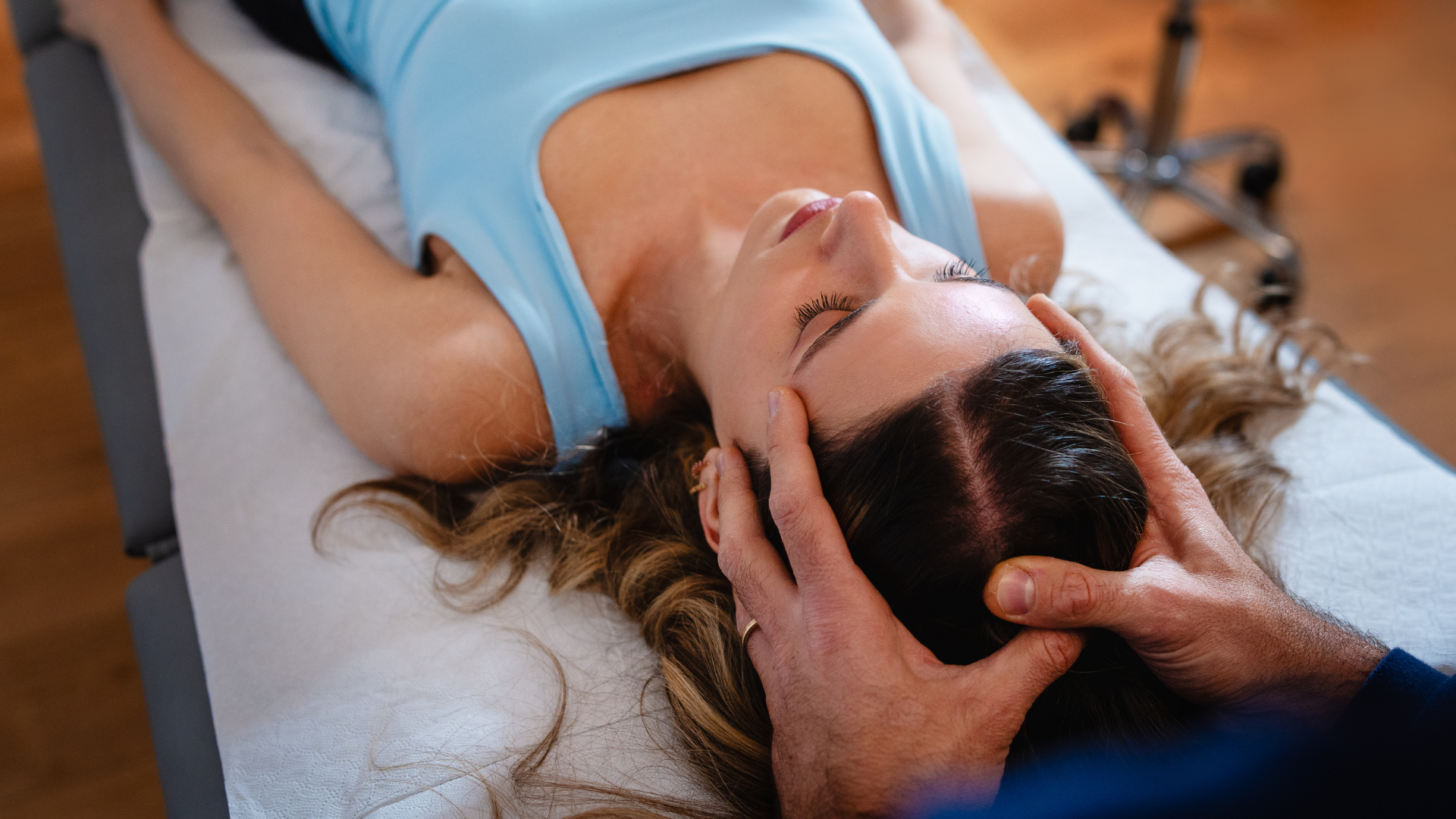
When several symptoms overlap , it can be tempting to search for one treatment that explains or fixes everything. In reality, many people use more than one type of care at the same time. Massage therapy and craniosacral therapy are examples of complementary approaches that may be incorporated alongside chiropractic care, acupuncture, exercise, nutrition, conventional medical treatment, or other strategies depending on the individual. The key word is complementary . These therapies should be viewed as part of a broader plan rather than automatic replacements for medical evaluation or treatment. Massage Therapy Focuses on Soft Tissue Massage therapy works directly with muscles and other soft tissues. People commonly seek massage for tension, stiffness, soreness, relaxation, and general wellness. Research on massage is ongoing, but the National Center for Complementary and Integrative Health notes that massage may provide short-term benefit for some types of low-back, neck, or shoulder pain . It also emphasizes that the strength of the evidence varies by condition. That makes massage especially relevant when muscular tension is only one part of a larger symptom pattern. For example, someone receiving chiropractic care for mechanical back or neck discomfort may also use massage to address tight or tender muscles.
October 8, 2026
Getting eight hours of sleep should leave you feeling rested, but that does not always happen. Some people wake up feeling drained, foggy, or physically heavy even after spending enough time in bed. When that pattern keeps repeating, the issue may be less about sleep quantity and more about sleep quality, stress, health conditions, medications, or other factors affecting the body overnight. Persistent fatigue deserves a closer look, especially when rest does not seem to help. Sleep Quality Matters as Much as Sleep Duration Spending eight hours in bed does not guarantee eight hours of restorative sleep. Frequent awakenings, snoring, breathing interruptions, restless legs, pain, or insomnia can fragment sleep even if you do not remember waking up repeatedly. Sleep apnea is one example of a condition that can interfere with restorative sleep and leave people tired during the day. Mayo Clinic notes that sleep disorders are among the possible causes of ongoing fatigue.  This is why persistent morning fatigue should not automatically be dismissed as simply “not sleeping enough.”
September 29, 2026
Stress does not always stay in the mind. For some people, prolonged stress may accompany muscle tension, headaches, poor sleep, digestive discomfort, fatigue, jaw clenching, or a general feeling of being unable to relax. Because these symptoms can overlap with many different health concerns, effective stress management often involves more than one strategy. Acupuncture is one complementary approach that some people choose to include alongside appropriate medical care, healthy routines, exercise, relaxation practices, or counseling. At Eyrich Natural Health and Healing, acupuncture can be considered as one part of a broader, individualized wellness plan. Acupuncture Takes a Whole-Person Approach Acupuncture involves inserting very fine needles at specific points on the body. It originated within traditional Chinese medicine and is now used in many countries as a complementary health practice. The National Center for Complementary and Integrative Health notes that acupuncture is most commonly used in the United States for pain-related concerns . During a visit, the practitioner may also ask about sleep, digestion, energy, pain, stress patterns, and other symptoms.  That wider conversation can be useful when several concerns seem to occur together.
September 22, 2026
Stress is often treated as something purely emotional, but the body can respond to it in physical ways. Muscle tension, digestive changes, headaches, fatigue, and sleep problems can all appear during periods of prolonged stress. The National Institute of Mental Health notes that stress and anxiety can affect both the mind and body, including tension, body pain, and loss of sleep. Ongoing anxiety can also affect digestive and other body systems. When pain, digestive discomfort, and poor sleep begin appearing together, it may be helpful to look at the broader pattern rather than treating each symptom as completely separate. Muscle Tension Can Build Gradually Stress can cause muscles to remain tighter than usual. Some people notice this first in the jaw, shoulders, neck, or lower back. Others may not realize how tense they are until discomfort has been present for several days. Cleveland Clinic lists muscle tension, jaw clenching, headaches, aches, and pains among common physical symptoms associated with stress . When muscles stay tense for long periods, normal movements and postures may begin feeling uncomfortable. That does not mean every pain problem is caused by stress. Structural, neurological, inflammatory, or other medical causes may also need to be considered.
September 20, 2026
Feeling a little sleepy after a large meal can be normal. But if certain foods repeatedly leave you unusually tired, mentally foggy, shaky, bloated, or unable to concentrate, it may be worth looking more closely at the pattern. Post-meal fatigue can have several possible causes, including meal size and composition, sleep quality, blood sugar changes, digestive problems, and food intolerances. Cleveland Clinic notes that postprandial sleepiness can develop from about 30 minutes to several hours after eating and may temporarily reduce mental alertness . Meal Composition Can Affect Energy What you eat can influence how you feel afterward. Meals that are especially large or rich in refined carbohydrates may be followed by a noticeable dip in energy for some people. Cleveland Clinic notes that both meal size and the balance of carbohydrates and protein can contribute to post-meal sleepiness . That does not mean carbohydrates or protein are inherently problematic. The more useful question is whether the same type of meal consistently produces the same symptoms. A food-and-symptom diary can help reveal those patterns.
September 8, 2026
Sciatica often causes pain that travels from the lower back or buttock into the leg. Depending on the underlying cause, the discomfort may feel sharp, burning, electric, aching, or numb. Some people notice it most while standing or walking, while others find that long periods of sitting make symptoms significantly worse. That pattern is common enough to deserve attention. Sitting changes the position of the pelvis and lower spine, increases pressure through some spinal structures, and can tighten muscles around the hips. For people already dealing with irritation of the sciatic nerve, those changes may increase symptoms. Sitting Changes Pressure Through the Lower Back The sciatic nerve is the largest nerve in the body and is formed from nerve roots in the lower spine. When one of those nerve roots becomes irritated or compressed, symptoms can travel along the path of the nerve into the buttock and leg. Prolonged sitting can increase pressure through the lumbar spine, particularly when posture is poor or the person is slouched forward.  For someone with a disc-related problem, spinal narrowing, or another condition affecting a nerve root, that additional pressure may make symptoms more noticeable.