Why Sitting Too Long Can Make Sciatica Worse
Sciatica often causes pain that travels from the lower back or buttock into the leg. Depending on the underlying cause, the discomfort may feel sharp, burning, electric, aching, or numb. Some people notice it most while standing or walking, while others find that long periods of sitting make symptoms significantly worse.
That pattern is common enough to deserve attention. Sitting changes the position of the pelvis and lower spine, increases pressure through some spinal structures, and can tighten muscles around the hips. For people already dealing with irritation of the sciatic nerve, those changes may increase symptoms.
Sitting Changes Pressure Through the Lower Back
The sciatic nerve is the largest nerve in the body and is formed from nerve roots in the lower spine. When one of those nerve roots becomes irritated or compressed, symptoms can travel along the path of the nerve into the buttock and leg.
Prolonged sitting can increase pressure through the lumbar spine, particularly when posture is poor or the person is slouched forward.
For someone with a disc-related problem, spinal narrowing, or another condition affecting a nerve root, that additional pressure may make symptoms more noticeable.

Hip Position Can Matter
Sitting for long periods also keeps the hips in a flexed position.
Over time, muscles around the hips and pelvis can become tight or less mobile. That can affect how the pelvis moves and how the lower back handles stress when a person stands up, walks, or bends.
Some people notice that their sciatica feels worse after getting out of a chair because the body has been held in one position for too long.
This does not necessarily mean sitting caused the original problem, but it may contribute to the irritation.
Poor Posture Can Add More Strain
Not all sitting positions affect the body the same way.
Leaning forward, rounding the lower back, sitting on a very soft surface, or keeping one leg crossed for long periods can place uneven stress on the spine and pelvis.
Desk workers are especially vulnerable because they may remain in the same position for several hours without realizing how little they have moved.
Small changes, such as using better back support, keeping both feet on the floor, and changing positions regularly, may reduce some of that strain.

Sciatica Can Have More Than One Cause
Sciatica is a symptom, not a single diagnosis.
Possible causes include a herniated disc, degenerative changes, spinal stenosis, inflammation around a nerve root, or other mechanical problems affecting the lower spine and pelvis.
That is why persistent leg pain should be evaluated rather than treated as simple muscle soreness.
A proper assessment can help determine whether the symptoms are consistent with nerve irritation and what type of treatment may be appropriate.
Movement Can Sometimes Help
People with sciatica often notice that remaining completely still makes them feel stiffer.
Gentle movement can help maintain mobility and reduce the discomfort that sometimes comes from prolonged sitting.
That does not mean every exercise is appropriate. Certain movements may aggravate symptoms depending on the underlying cause.
The goal is usually to find a level of movement that does not provoke significant pain while avoiding long periods in one fixed position.

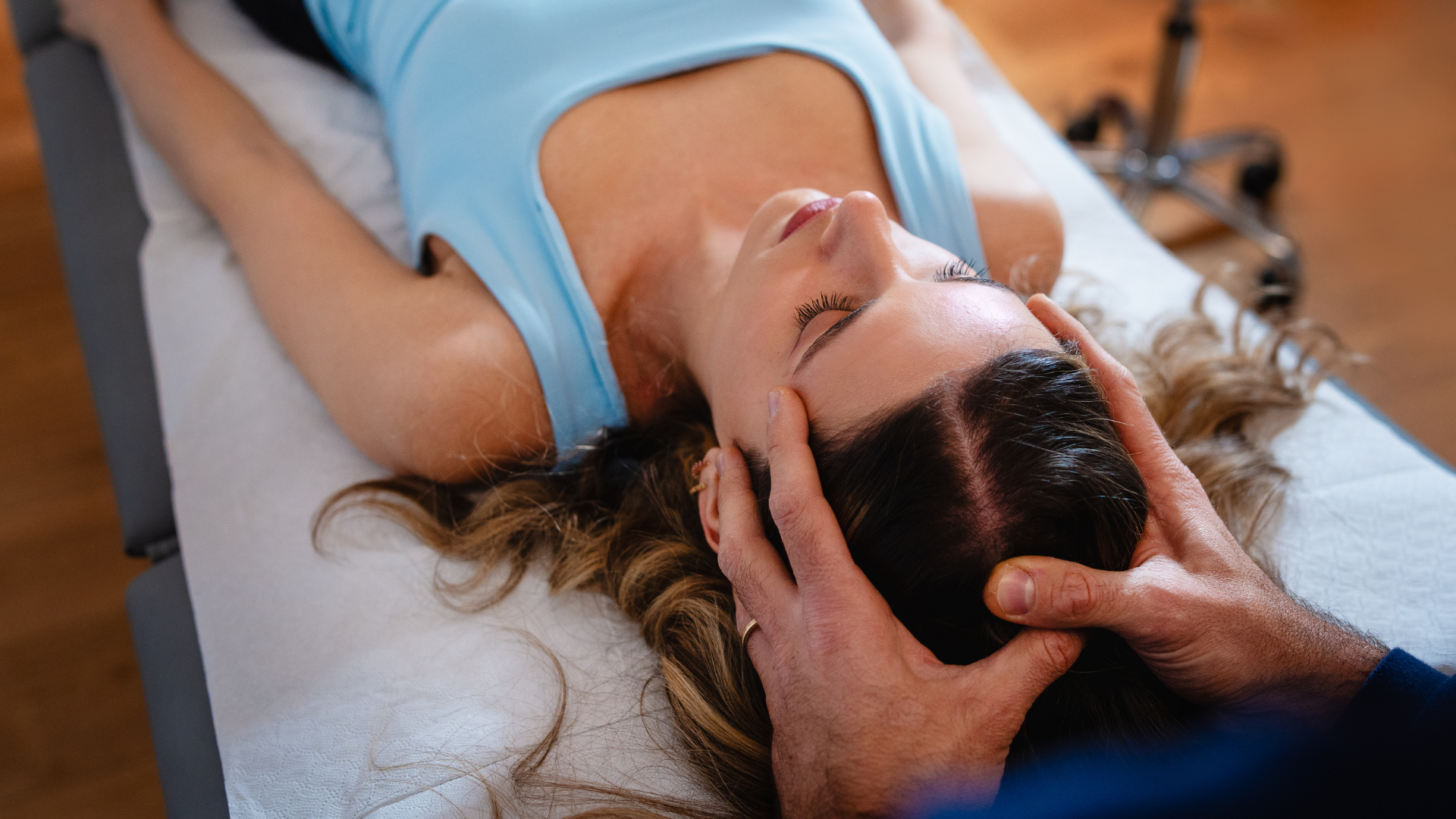
Chiropractic Care May Be Part of the Plan
At Eyrich Natural Health and Healing, chiropractic care may be used as part of a broader evaluation of back pain and sciatica.
Treatment can focus on spinal and pelvic mechanics, muscle tension, mobility, and other factors that may be contributing to the symptoms.
For some patients, spinal decompression may also be considered when disc compression or related mechanical issues are part of the clinical picture.
The exact approach depends on the individual and should be based on examination rather than assumption.
Acupuncture and Other Supportive Therapies
Sciatic-type pain can also affect sleep, muscle tension, and overall comfort.
Dr. Thomas Eyrich may incorporate acupuncture, massage, nutritional support, herbal therapy, or other complementary approaches depending on the patient's needs.
The purpose is not simply to cover up pain, but to look at the broader pattern and support recovery from several angles when appropriate.

Know When Symptoms Need Prompt Medical Attention
Some symptoms require more urgent evaluation.
Seek prompt medical care if sciatica is accompanied by severe or progressive weakness, loss of bladder or bowel control, numbness in the saddle area, fever, recent major trauma, or other significant neurological changes.
These symptoms can indicate a more serious condition that should not be managed as routine back pain.
Do Not Let Sitting Become the Trigger You Ignore
If sciatic pain consistently becomes worse after long periods at a desk, in the car, or on the couch, that pattern can provide useful information about what is aggravating the problem.
Eyrich Natural Health and Healing offers chiropractic care, acupuncture, spinal decompression, massage, nutritional support, herbal therapies, and other holistic services under the direction of Dr. Thomas Eyrich, D.C., L.Ac., N.D., who has more than 46 years of experience in holistic practice.
If sitting regularly triggers pain from the lower back into the hip or leg, contact Eyrich Natural Health and Healing for a whole-person evaluation and a treatment plan based on your symptoms, movement patterns, and overall health.